Gardening Dos and Don’ts for Healthy Landscapes
The shovel hits a rock with a jarring, metallic clink that vibrates all the way up your elbows. You are standing in the middle of a patch of dirt that was supposed to be a lush oasis by now, but instead, the hydrangeas look like they have given up on life and the mulch is migrating toward the driveway. It is that specific moment of quiet frustration where you realize that having a green thumb is not a mystical gift, it is actually just a series of very specific decisions made before you ever break ground.
Most of the time, we treat our outdoor spaces like a living room makeover where we can just swap out a rug if we don’t like the color. But plants are not furniture. They are tiny, demanding biological engines that have very clear opinions on how they want to live. Achieving a vibrant yard is less about buying expensive gadgets and more about mastering a few fundamental gardening dos and donts that keep the ecosystem in balance without turning your weekends into a second full-time job.
You do not need a degree in botany to make this work. You just need a little bit of structure and the willingness to stop doing the three things that are likely killing your plants right now. It is about working with the rhythms of the earth rather than trying to bully nature into submission with a credit card and a bag of synthetic fertilizer.
Why Are Gardening Dos and Don’ts So Important?
Understanding the basic gardening dos and donts is the difference between a landscape that thrives on autopilot and one that feels like a constant emergency. When you follow a proven set of guidelines, you are essentially buying back your time. Most beginner gardening mistakes are not caused by a lack of care, they are caused by doing too much of the wrong thing at the wrong time. By narrowing your focus to what actually moves the needle, you save a staggering amount of money on replacement plants and wasted water.
The core philosophy here is simple: work with nature, not against it. If you try to grow a moisture-loving fern in a sun-baked corner of a desert climate, you are going to lose every single time. Learning these rules helps you stop the expensive cycle of “plant, wither, repeat.” It allows you to build a resilient landscape that actually gets stronger and more beautiful as the years go by, rather than one that requires a rescue mission every July.
This approach transforms your yard from a chore into a sanctuary. When you stop fighting the natural tendencies of your soil and climate, the garden starts to take care of itself. Which brings us to the very first thing you need to check before you even head to the nursery.
Understanding Your Local Growing Zone
The absolute first “do” on any list is to look up your specific hardiness zone. According to recent data from the USDA, climate shifts have moved many gardeners into new categories over the last few years, meaning what worked for your parents might not work for you anymore. Your zone tells you the average minimum winter temperature, which is the ultimate filter for what will survive in your yard. Planting something rated for Zone 8 when you live in Zone 6 is just a very expensive way to watch a plant die in December.
Setting Realistic Expectations For Maintenance
The biggest “dont” for beginners is over-committing to a high-maintenance layout. We all see those sprawling, English-style cottage gardens on social media and think we can replicate them in a weekend. But if you only have two hours a week to spend outside, do not plant a garden that requires ten hours of deadheading and weeding. Be honest about your lifestyle. A small, perfectly maintained plot will always look better than a massive, overgrown acre that makes you feel guilty every time you look out the window.
Success starts with the foundation, which means we have to look deeper than the pretty petals and focus on what is happening beneath your boots.
What Are The Essential Soil And Fertilizer Habits?
Your soil is the digestive system of your garden. If the soil is broken, no amount of expensive plant food or fancy watering systems will fix the problem. One of the most vital soil preparation tips is to treat the ground like a living organism rather than just dirt that holds plants upright. Healthy soil is teeming with microbes, fungi, and worms that do the heavy lifting of breaking down nutrients so your plants can actually eat them.
When you focus on soil health, you are playing the long game. You are creating a reservoir that holds moisture during droughts and drains away excess during heavy storms. Most people skip this step because it isn’t “pretty,” but if you get the dirt right, the plants will almost take care of themselves. It is the ultimate shortcut to a professional-looking landscape without the professional price tag.
However, many people try to fix poor soil by throwing chemicals at it, which often makes the problem worse. You have to know what you are working with before you can improve it.
Testing Your Soil Before Adding Amendments
Testing your soil is a non-negotiable “do” for anyone serious about a healthy yard. You can buy a basic kit at any hardware store or send a sample to a local university extension for a deep dive into your pH levels and nutrient density. If your soil is naturally alkaline and you keep adding acidic fertilizers, you are just wasting money and potentially stressing your plants. A test gives you a roadmap so you only add exactly what is missing.
Avoiding The Over-Fertilization Trap
The biggest “dont” in the dirt is the “more is better” mentality with fertilizer. Over-fertilizing is a classic beginner mistake that leads to salt buildup in the soil and can literally burn the tender roots of your plants. Furthermore, excess nitrogen often runs off during rain, ending up in local waterways and causing algae blooms. Stick to organic, slow-release options that feed the soil over time rather than giving the plants a chemical jolt they can’t handle.
Once the soil is prepped and the plants are in, the next hurdle is keeping them hydrated without drowning them.
How Should You Manage Watering And Hydration?
Watering seems like the simplest part of gardening, but it is actually where most people trip up. Following watering best practices is not just about how much water you use, but how and when you apply it. Many gardeners treat their plants like they are at a car wash, spraying everything from the top down, but plants actually “drink” through their roots, not their leaves. In fact, wet leaves are often an invitation for trouble.
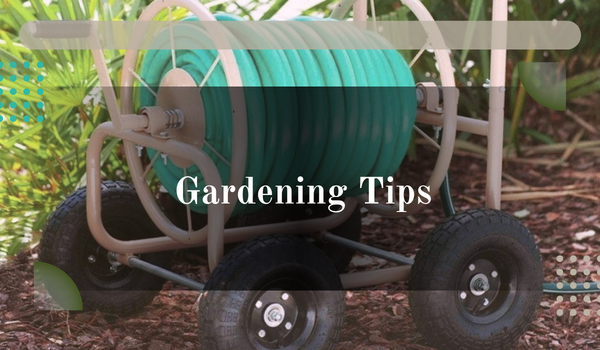
Efficiency is the name of the game here. You want to make sure the water is getting to the root zone where it can actually be used. This is also where your equipment choices matter. If you have a large area to cover, choosing the right hose reel can make the difference between a quick task and a back-breaking chore. A tangled hose is a deterrent to watering, and if you make the job difficult, you are less likely to do it correctly when the summer heat hits.
To make the process even smoother, consider getting the best hose reel cart with wheels so you can easily navigate around your garden beds without dragging a heavy, kinked-up line over your delicate perennials.
Watering At The Base Of The Plant
The primary “do” for hydration is to aim your water at the soil, not the foliage. Keeping the leaves dry is one of the best ways to prevent fungal diseases like powdery mildew or black spot. If you must use overhead sprinklers, do it early in the morning so the sun has time to dry the leaves before evening. Damp leaves in the cool night air are a playground for pathogens that can wipe out an entire crop of tomatoes in a week.
Ditching The Daily Light Sprinkle Method
A major “dont” is the daily light sprinkle. If you just wet the top inch of soil every day, the roots will stay near the surface to find that water. When a heatwave hits, those shallow roots will cook and the plant will wilt instantly. Instead, water deeply and less frequently. This encourages roots to grow deep into the earth to find moisture, making your plants much more drought-tolerant and resilient against the elements.
Hydration keeps them alive, but how you handle the plants physically determines how they grow and bloom.
Which Planting And Pruning Mistakes Should You Avoid?
We often treat plants like we are packing a suitcase, trying to fit as much as possible into a small space. But plants need personal space just as much as humans do. One of the most overlooked plant care basics is the concept of airflow. When plants are jammed together, humidity gets trapped between them, creating a stagnant environment where pests and diseases thrive. Proper spacing is a gift you give to your future self.
Pruning is another area where good intentions often lead to bad results. Many people see a pair of shears and start hacking away whenever they feel like it. But pruning is a surgical act. It tells the plant where to send its energy. If you do it at the wrong time, you might be cutting off all of next year’s flowers or leaving the plant vulnerable to a late-season frost.
It is all about timing and technique, ensuring that every cut you make serves a specific purpose for the plant’s long-term health.
Giving Your Plants Enough Room To Breathe
A vital “do” is to follow the spacing recommendations on the plant tag. It might look a little sparse when you first put them in the ground, but remember that those 4-inch pots will eventually become 3-foot bushes. Proper spacing ensures that every leaf gets its fair share of sunlight and that air can move freely through the landscape. This simple step reduces the need for chemical fungicides by nearly 60 percent in some climates.
Refraining From Aggressive Pruning In The Wrong Season
The most common “dont” in this category is pruning spring-blooming shrubs in late winter. If you follow a seasonal pruning guide, you will learn that plants like lilacs or azaleas set their flower buds the year before. If you prune them in January, you are cutting off all the blooms you’ve been waiting for. Generally, you should prune immediately after a plant finishes flowering, or during its dormant period in late winter for non-flowering varieties.
With these rules in mind, you are ready to stop planning and start planting with a much higher success rate.
Where Should You Start Your Next Garden Project?
Mastering these gardening dos and donts is not about achieving perfection on day one. It is about building a relationship with your land and learning to read the signals your plants are sending you. If you feel overwhelmed, just remember that every expert gardener started with a pile of dead plants and a lot of questions. The secret is that they just didn’t stop when things went wrong.
This week, I want you to pick just two things: one “do” to implement and one “dont” to stop. Maybe you finally get that soil test you have been putting off, or maybe you vow to stop the daily light sprinkling and start watering deeply at the base. These small shifts in your plant care basics will yield massive results by the time the next season rolls around. Your landscape is a living, breathing entity, and it will respond to your care with surprising speed.
Gardening is one of the few things in life where you get exactly what you put in. If you give the earth a little structure and respect, it will give you a sanctuary in return.
Sharing Your Progress With The Community
Gardening is better when it is shared. Whether you are celebrating a massive harvest of tomatoes or mourning a hydrangea that didn’t make it, there is a whole community of people who have been exactly where you are. Head over to our social pages or leave a comment below to tell us which of these tips made the biggest difference in your yard. We love seeing photos of your healthy landscapes and hearing your personal stories of trial and error. Let us grow together, one plant at a time.
Tighten The Hose.
At the end of the day, your garden is just a reflection of the small habits you repeat every week. It was never really about having a “natural gift” for growing things. It was about realizing that a healthy landscape is built on intention rather than luck. When you stop the shallow watering, respect the soil, and give your plants the space they need to breathe, the struggle disappears. You are no longer fighting the earth, you are finally part of it. Put the shovel down and just listen to what the dirt is telling you.


You May Also Like

Why You Need a Reverse Osmosis System

What Is A YouTube Faceless Channel?